Pathways & impact
Our work takes shape through access-to-care pathways made possible by close coordination between families, healthcare professionals, hospitals, humanitarian organisations, and institutions.
What our coordination helps make possible
Every situation is unique. The examples below have been anonymised and presented with strict respect for confidentiality, dignity, and informed consent. They reflect our role in coordination, orientation, and facilitation in situations where access to care has become difficult or impossible locally.
Support for medical evacuation coordination
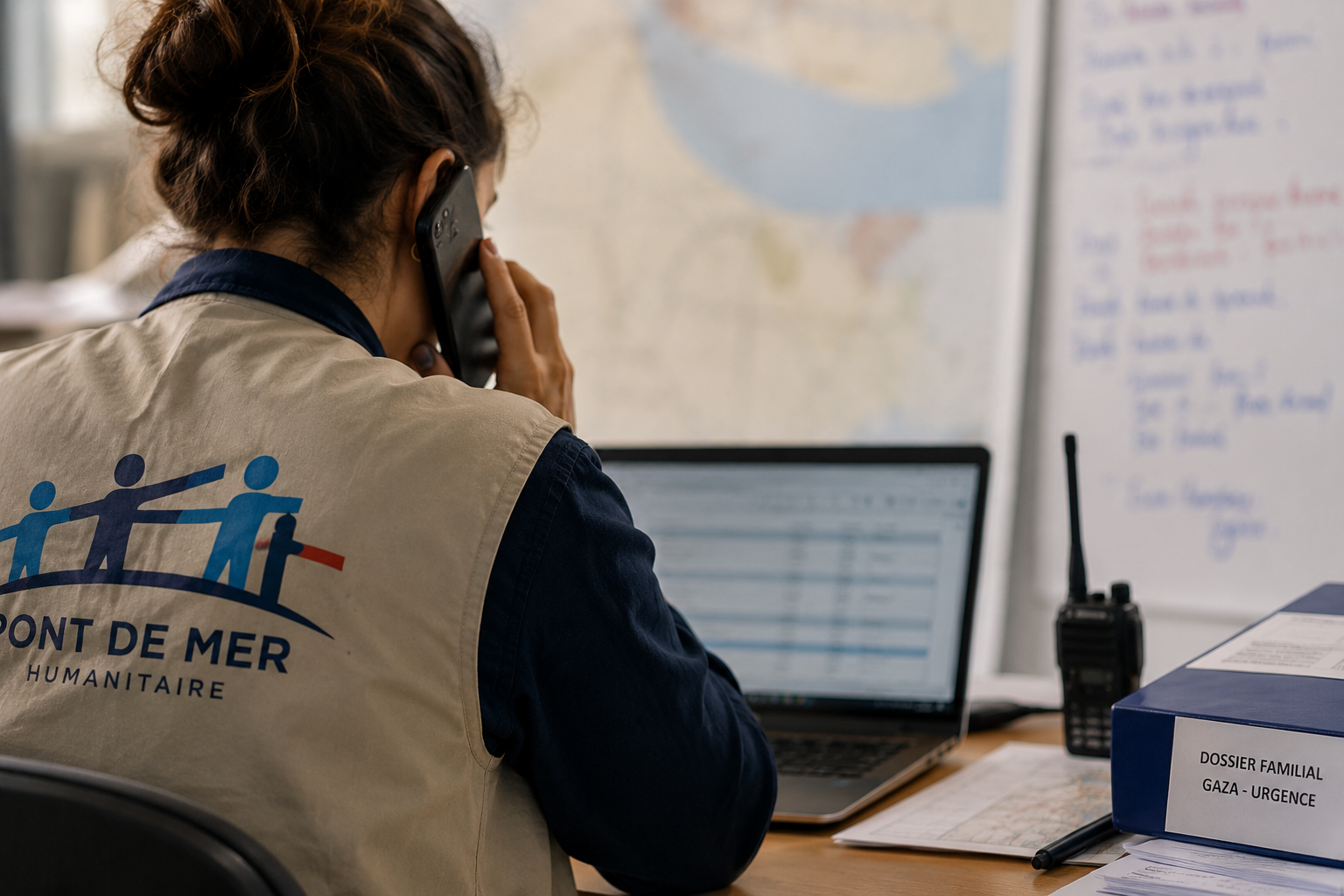
Supporting the coordination of emergency family cases in Gaza by working alongside medical, humanitarian, and institutional stakeholders to explore safe access solutions to appropriate healthcare facilities.
Access to specialised medical care
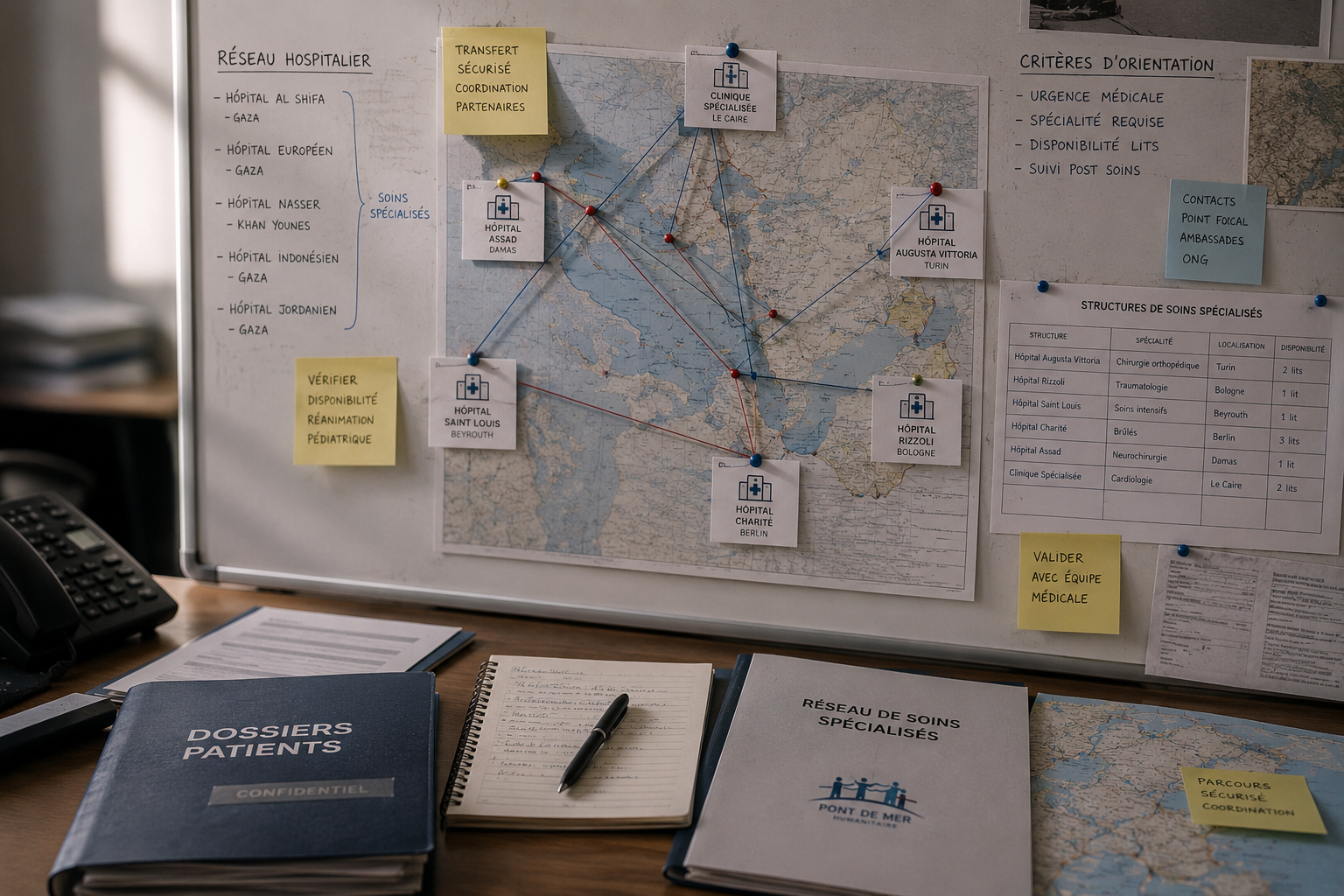
Identifying medical needs that can no longer be treated locally, structuring the case file, and connecting families with healthcare institutions able to assess and potentially provide appropriate care.
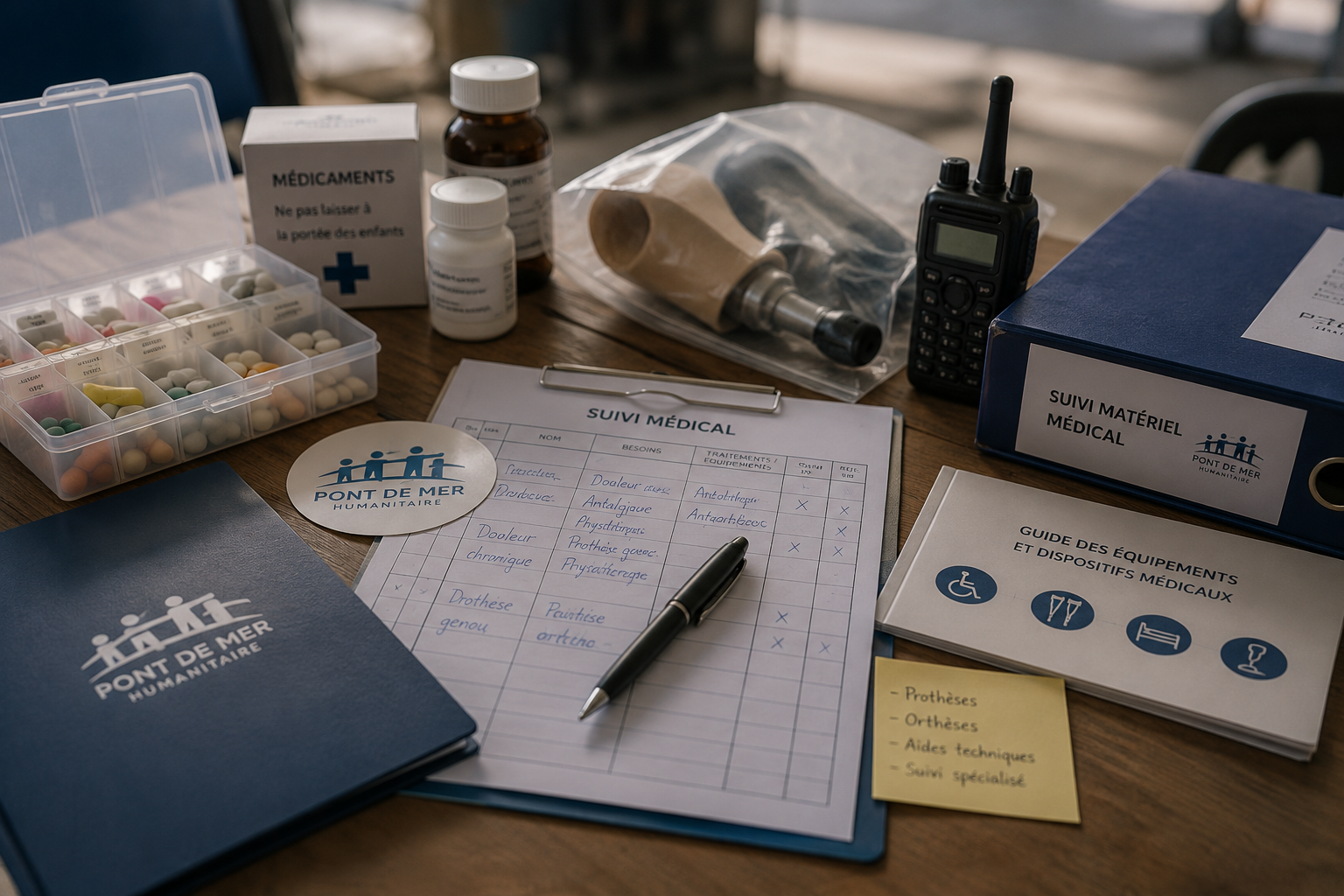
Follow-Up, medication & medical equipment
Facilitating access to treatments, medication, prosthetics, and specialised follow-up care for displaced or refugee patients who are no longer able to access conventional healthcare pathways.
Impact built through coordination
Our impact cannot be measured by numbers alone, but by our ability to help unlock situations that once seemed impossible to resolve. Every structured case file, every medical orientation, every meaningful connection, and every access-to-care pathway made possible is the result of rigorous coordination, verification, dialogue, and collaboration.
In contexts shaped by war and displacement, our role is to help bridge the gap between urgent medical needs and the healthcare capacities that still exist.
HUMAN IMPACT
Making medical pathways possible
Our work translates into concrete pathways to care, developed with strict respect for confidentiality, dignity and each patient’s informed consent.
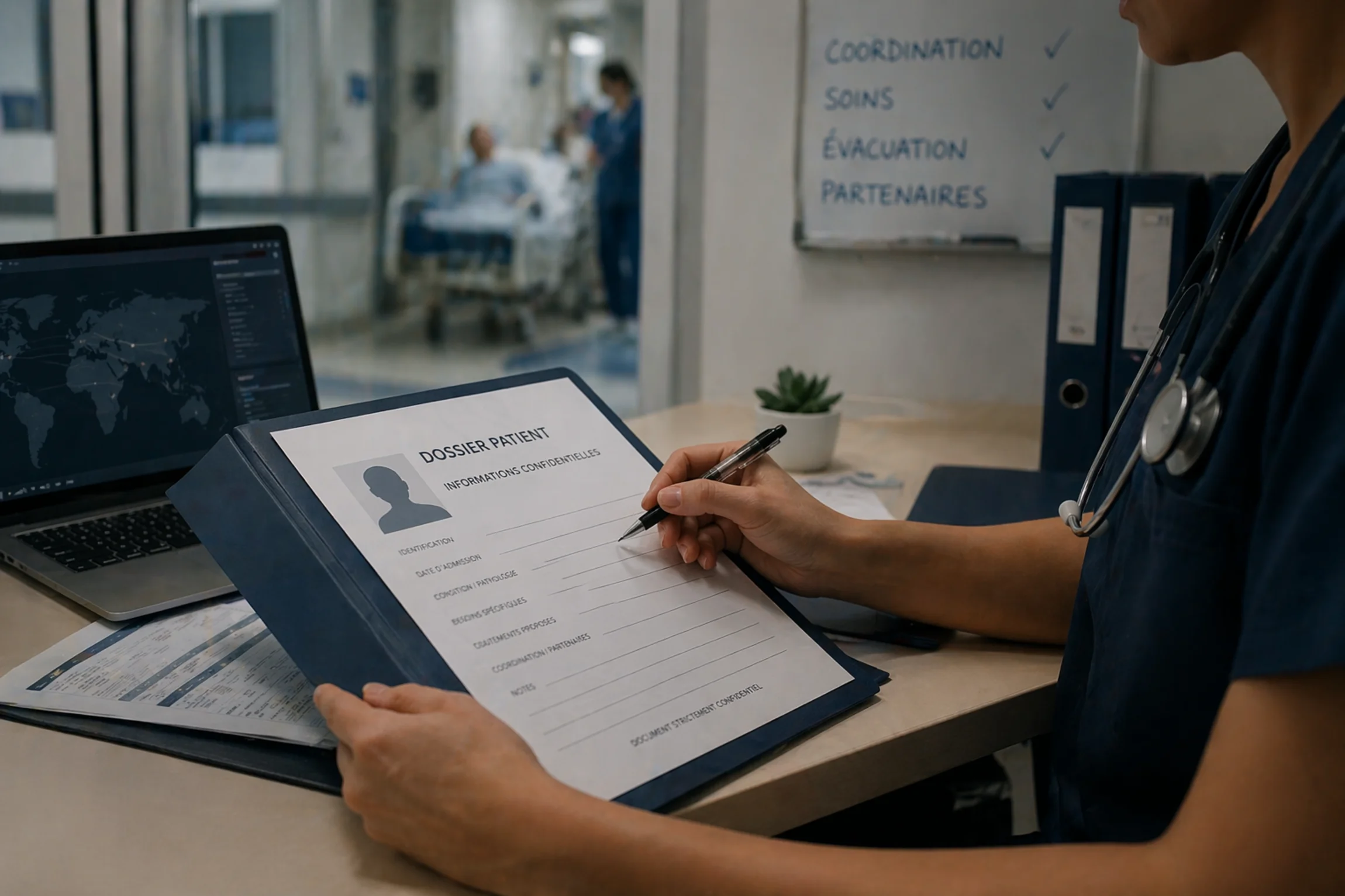
The Arafat Al Rayyes case reflects the founding mission of Human Sea Bridge: documenting urgent medical situations, structuring available information, identifying the appropriate stakeholders, and facilitating coordination toward access to care.
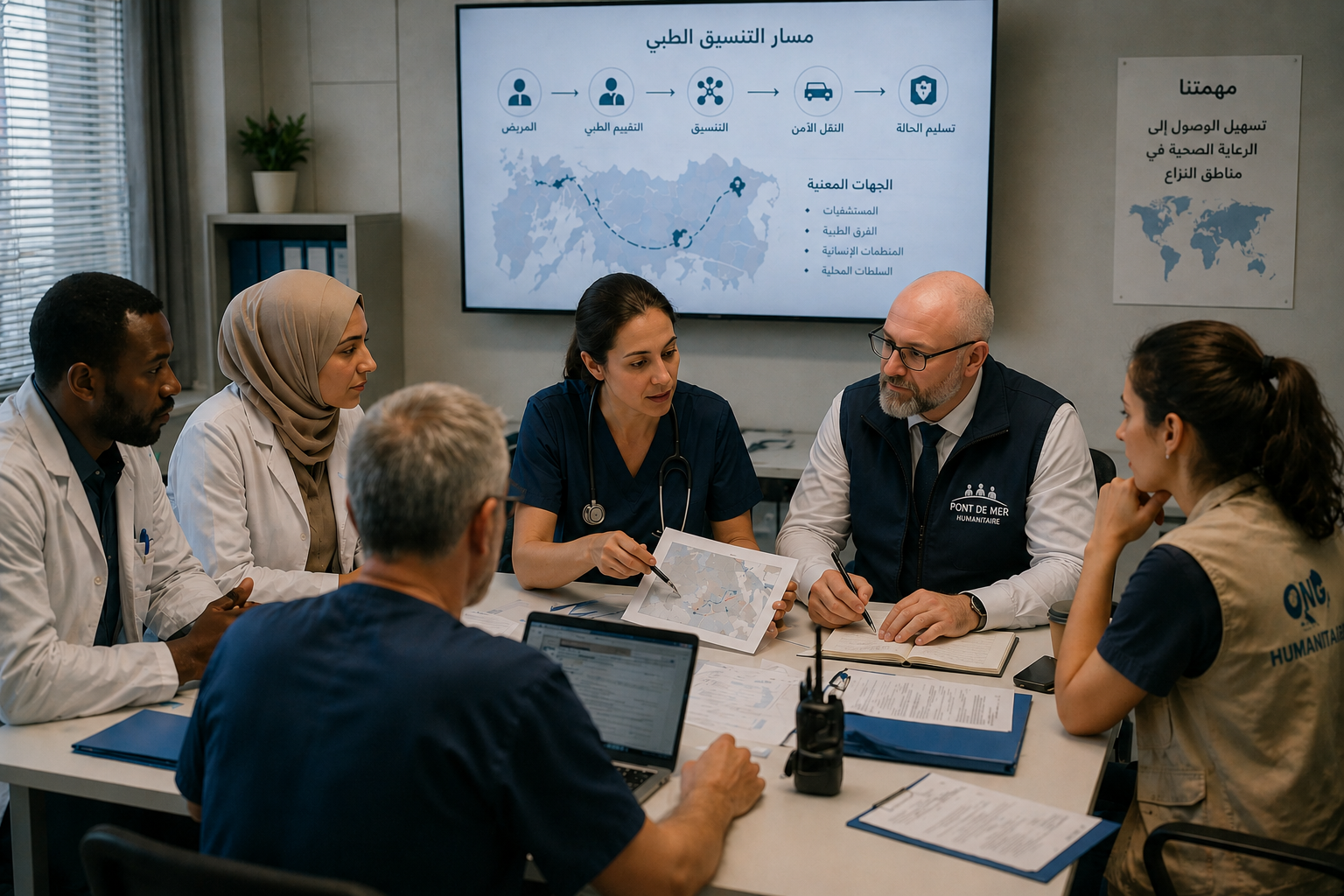
Support provided for a complex medical pathway: case documentation prepared for humanitarian coordination mechanisms, private hospital care identified, followed by coordination with diplomatic representatives to explore the patient’s transfer outside the conflict zone.

Support provided to a young Palestinian child displaced in Cairo toward specialized medical care: identification of an appropriate medical solution, coordination with a private healthcare facility, organization of the care pathway, and mobilization of the necessary support networks.
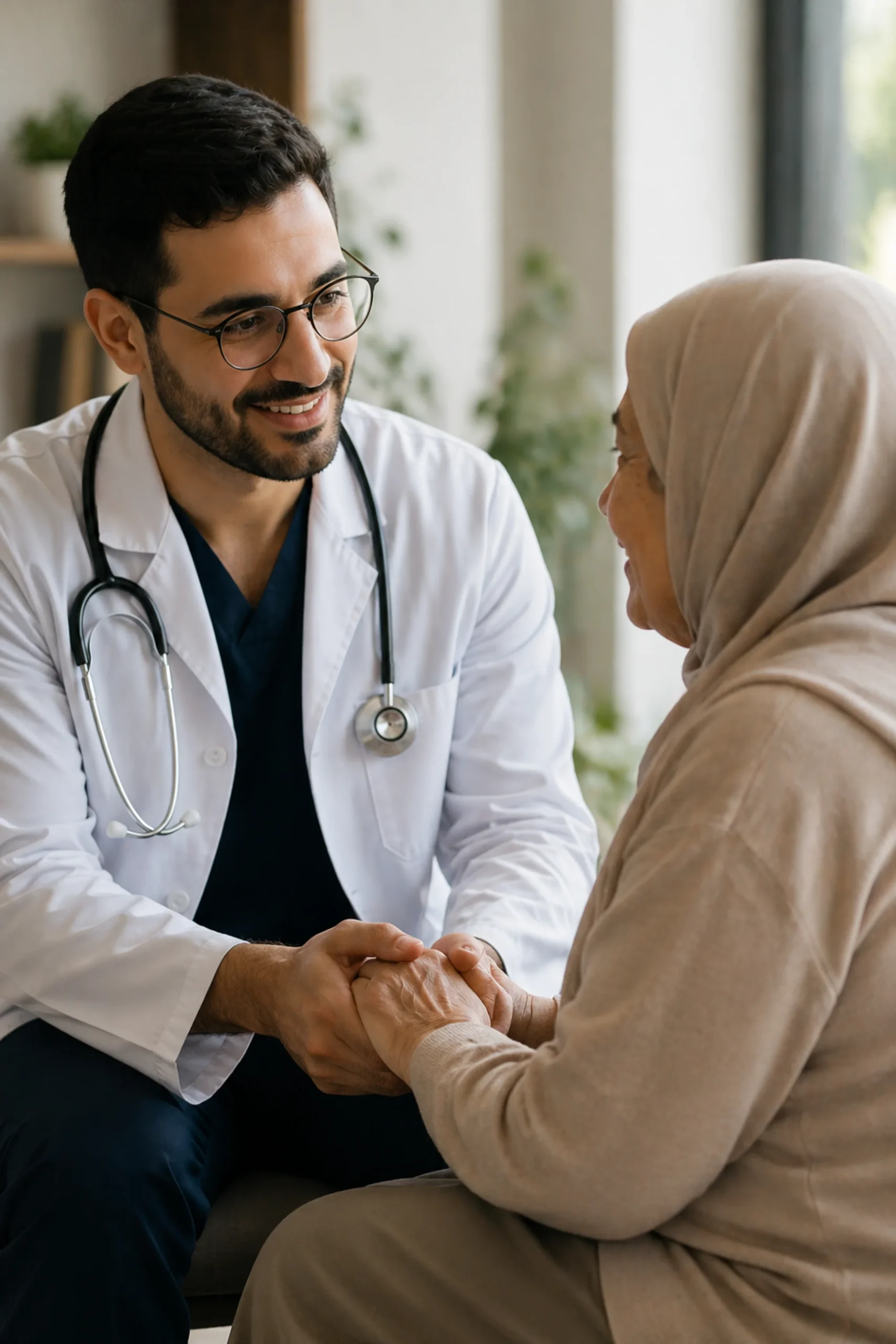
Making access-to-care pathways possible
Coordinating critical situations requires human, administrative, medical, logistical, and organisational resources. Your support helps sustain this work of coordination, documentation, and facilitation for people deprived of access to essential healthcare.