Documented medical case – Arafat Al Rayyes
The first structured case coordinated by Human Sea Bridge, highlighting the importance of transforming a blocked medical situation into a documented, verified, and coordinated care pathway.
A real-world example of medical coordination
A foundational case
The Arafat Al Rayyes case reflects the founding mission of the organization: helping transform a critical medical situation into a clearer, more structured, and more effectively transferable case for medical, humanitarian, and institutional stakeholders.
Broader context
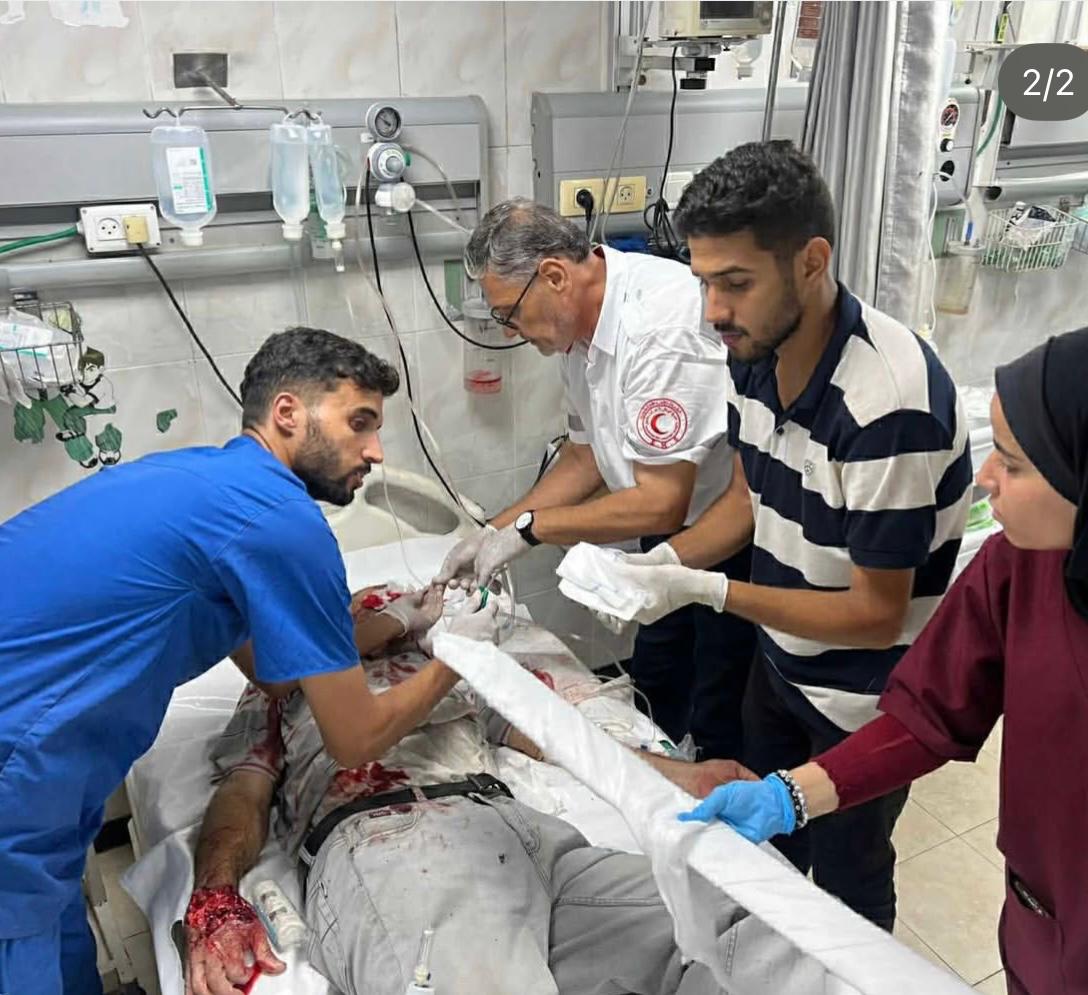
In Gaza, many civilians face severe disruptions in access to healthcare: damaged infrastructure, limited availability of specialized treatment, restrictions on movement, administrative barriers, and ongoing uncertainty surrounding medical evacuation mechanisms.
This case involves a family facing a complex medical situation requiring careful coordination between relatives, healthcare professionals, hospitals, humanitarian actors, and public institutions.
Making the case clear, actionable, and transferable
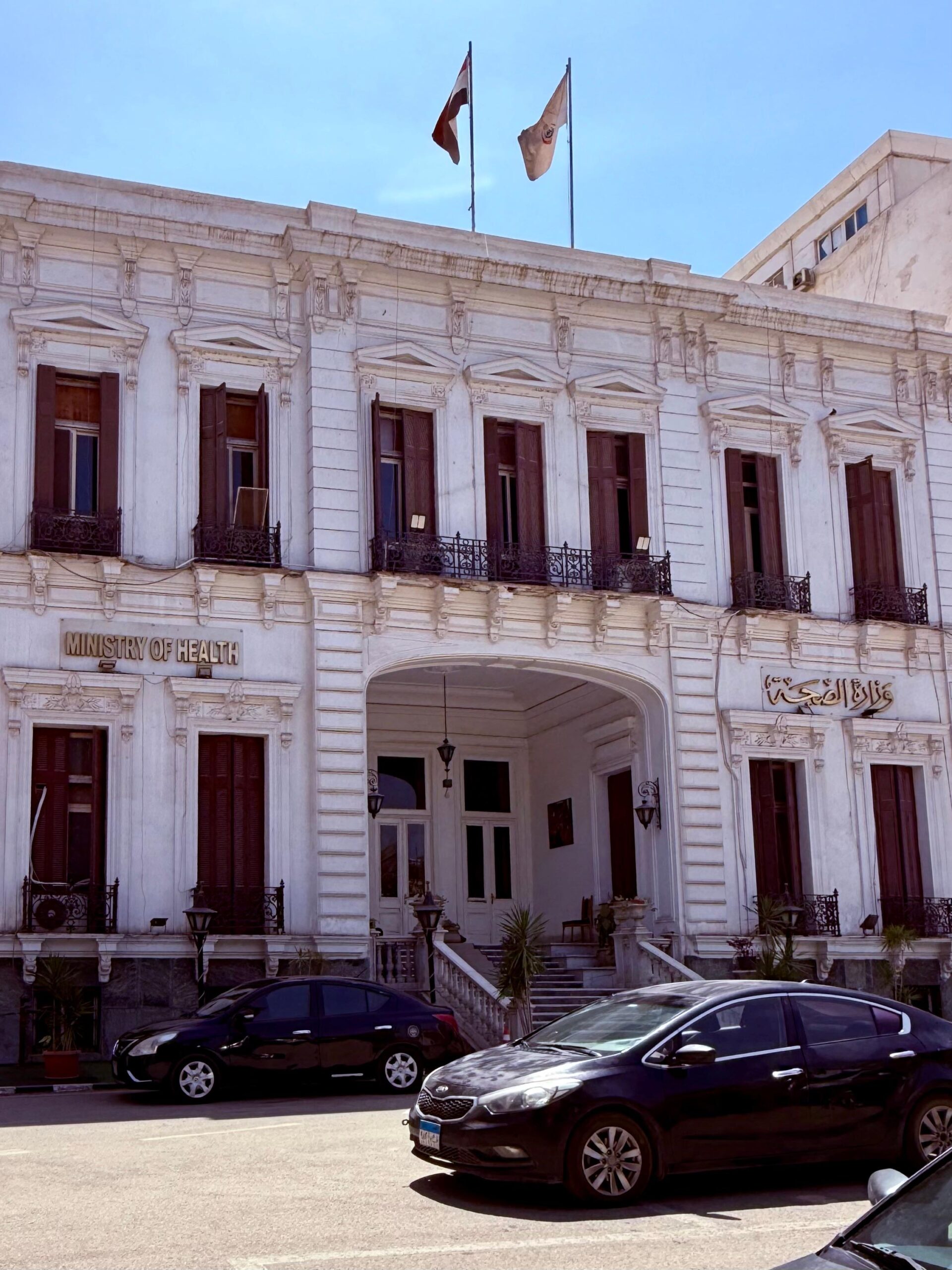
In complex medical emergencies, the challenge is not only finding a treatment option. It is also about ensuring the case is clear, complete, and usable by the right people at the right time.
- Gathering all available medical information
- Structuring administrative and family-related documentation
- Verifying the consistency and reliability of the case
- Identifying urgent medical priorities
- Reaching out to organizations able to assess treatment options
- Facilitating communication with the appropriate stakeholders
The coordination process
Assessing the medical, family, and humanitarian context in order to understand the most urgent needs.
Collecting, organizing, and presenting the available information to make the case understandable and actionable.
Identifying hospitals, organizations, or partners able to assess potential treatment or referral options.
Facilitating the flow of information between families, healthcare professionals, hospitals, and institutions.
Maintaining careful, documented, and respectful follow-up throughout the evolution of the situation.
Coordinating without replacing
Human Sea Bridge helps structure medical case files and facilitate communication between the appropriate stakeholders, without replacing healthcare professionals or public institutions.
- Structuring key information
- Identifying the right contacts
- Supporting secure transmission of documentation
- Maintaining documented follow-up
What this case demonstrates
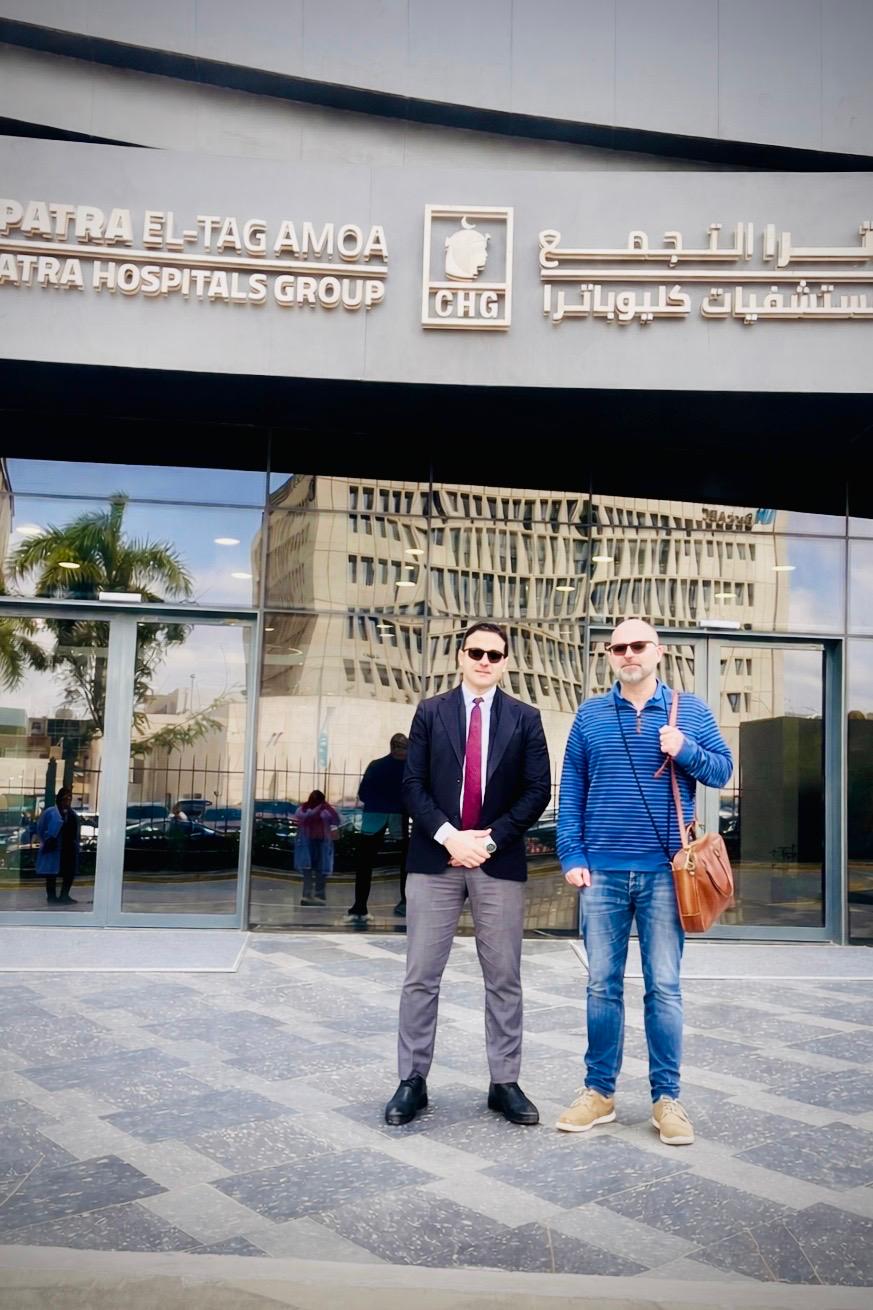
This case highlights a critical reality: in crisis settings, access to healthcare does not depend solely on the existence of a medical need. It also depends on the ability to document that need, make it understandable, identify the right contacts, and maintain coordination despite the obstacles.
Institutional Note:
Each situation is reviewed individually. No evacuation or medical admission can ever be guaranteed. However, rigorous coordination can sometimes help open possibilities where situations previously appeared blocked.
Supporting these pathways
Every case requires time, rigor, secure communication, accurate documentation, and continuous coordination. Your support helps sustain this work of connection, follow-up, and facilitation.