STORY · PRESS REVIEW · 2025–2026
Over the course of a year, newspaper articles, reports and podcasts followed the journey of Yaser and the Al Rayyes family. They also tell how a personal commitment grew into a grassroots mobilisation, and then into a structured humanitarian association.
Human Sea Bridge did not yet exist when the first journalists came to Concarneau. There was Yaser, who had reached Brittany after leaving Gaza, a family still trapped by the war, and a simple decision: not to look away.
Month after month, the regional and national press followed this story. It covered the welcome, the wait, the medical emergency, the grassroots mobilisation and the approaches made to institutions, then the evacuation to Egypt and the reunion. Read in sequence, these articles also document something else: the gradual birth of Human Sea Bridge.
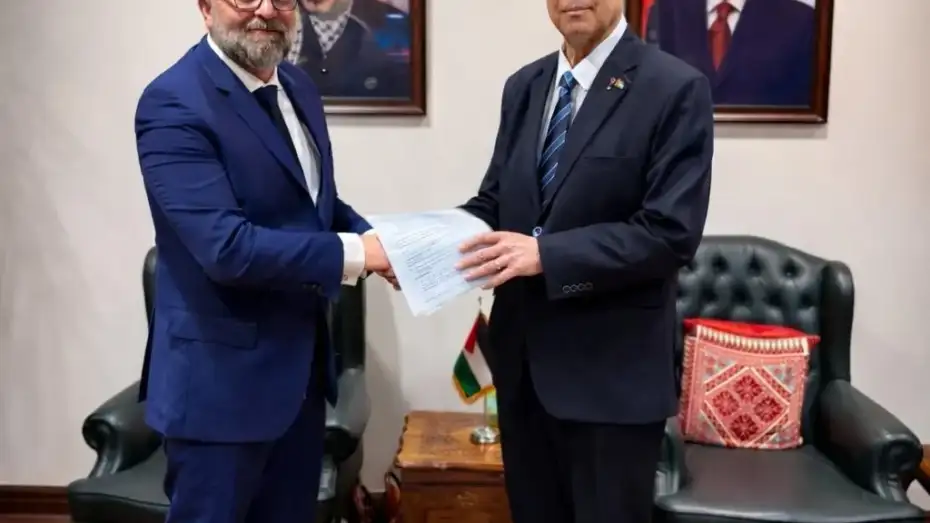
June 2025
Arrival in Concarneau.
Yaser finds a safe place in Brittany.
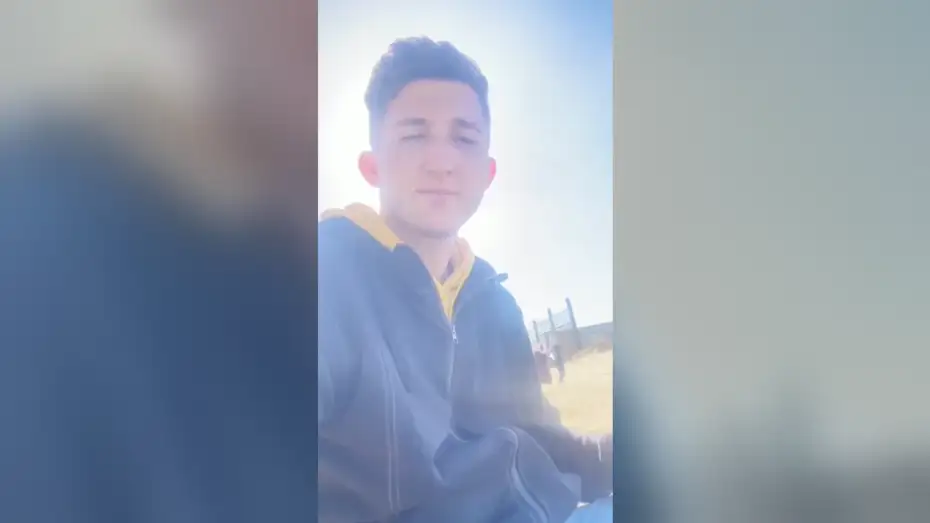
Sept. 2025
The medical emergency.
The mobilisation widens.
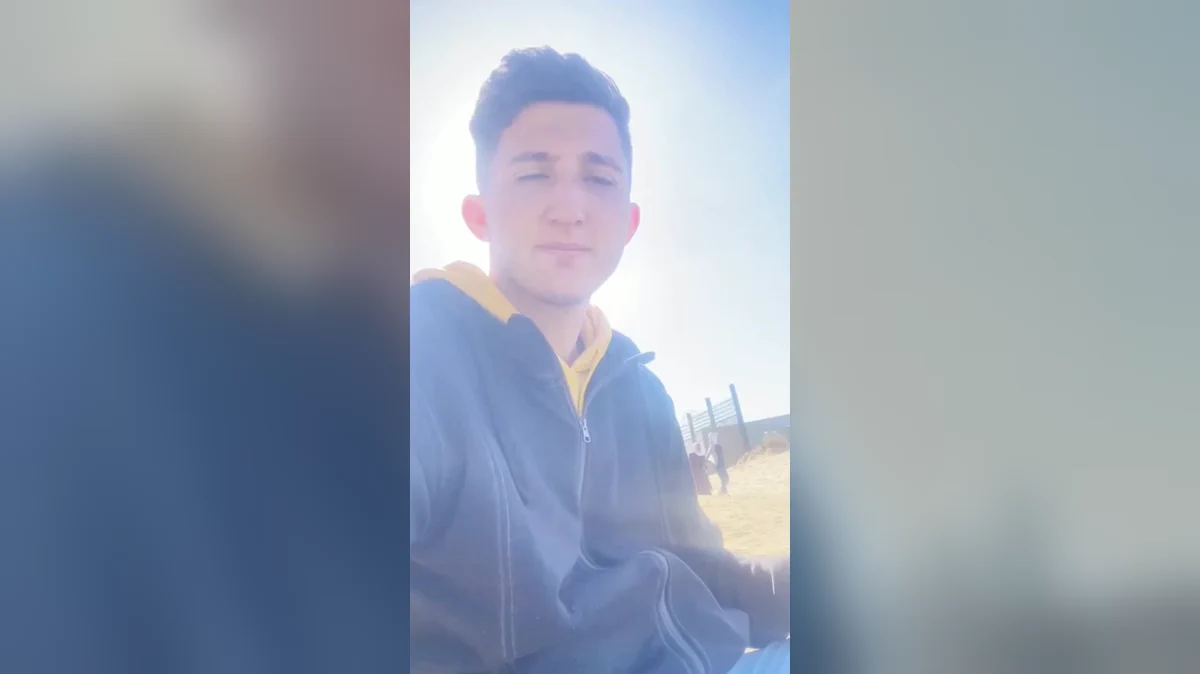
June 2026
Evacuation and reunion.
From Gaza to Egypt, then Cairo.
August 2026
One year on.
La Croix measures the road travelled.
Before the association, a human relationship
Yaser knew Jérôme and Emna before he came to France. The ties formed in a professional setting in Mauritania had endured despite distance and war. After leaving Gaza in April 2024 and then travelling into exile through several countries, Yaser arrived in Concarneau on 4 June 2025.
At first, the response was to one individual situation: giving a young man exhausted by war and displacement a safe place to recover. Yet Yaser’s thoughts remained in Gaza, where his parents, sisters and younger brother were still living.
On 13 August 2025, Le Télégramme published an initial video report. On 25 August, Ouest-France told what it called “le récit d’un exil sous les bombes” (a story of exile under the bombs). Four days later, Libération and La Croix each devoted a substantial article to Yaser, the family hosting him and the movement beginning to take shape.
There was no established non-profit project at that stage. The priority was to raise the alarm, make the family’s situation understood and find a way forward. These early articles therefore record a founding grassroots mobilisation; they are not media coverage generated by an organisation that did not yet exist.
When a medical emergency changed the nature of the effort
On 13 September 2025, Yaser’s father, Arafat Al Rayyes, was seriously injured in an explosion in Gaza. The emergency entered a new phase. The task was no longer only to protect a family exposed to bombardment and repeated displacement, but to seek medical care that had become unavailable locally.
The mobilisation widened. A support committee formed. Residents, volunteers, community groups, non-profits, artists, local businesses and elected representatives relayed the appeal. Stalls, events, fundraising initiatives and public gatherings helped support the family and kept attention focused on the case.
On 23 October 2025, Ouest-France reported that Brest University Hospital was prepared to consider providing care. The following day, the newspaper covered a solidarity fest-noz, a traditional Breton music and dance gathering. The pairing of these two reports captures the method taking shape: secure medical and institutional contacts while sustaining a citizen movement able to support a long and uncertain pathway.
In November, Franceinfo placed Arafat’s situation in the broader context of the resumption of French evacuations from Gaza. In December, Le Parisien, RFI and Ouest-France conveyed the urgency, exhaustion and waiting. Media coverage could not resolve the case, but it made the situation visible, understandable and harder to forget.
From experience to the conviction of being able to help
Throughout these months, the steps taken revealed the complexity of a humanitarian pathway: gathering and organising the available documents, understanding evacuation mechanisms, identifying the competent counterparts, seeking medical capacity, following up on responses, avoiding false promises and preserving the dignity of the people concerned.
The idea of an association took shape gradually — not to take ownership of the existing mobilisation, but to give it a framework, continuity and rules. A conviction had formed: the experience gained could be structured and put at the service of other people facing the same disruptions in access to care or education.
4 June 2026: a decisive step
On 4 June 2026, Arafat, Sanaa and Mohammed left Gaza through an evacuation coordinated by the World Health Organization, with the Palestine Red Crescent Society and the relevant authorities. The next day, Ouest-France and Le Télégramme reported that they had left the enclave.
The evacuation resulted from a complex humanitarian mechanism. Documentation, advocacy and connection-building by those involved — later structured through Human Sea Bridge — contributed alongside the medical, humanitarian, diplomatic, institutional and citizen actors who intervened at different stages.
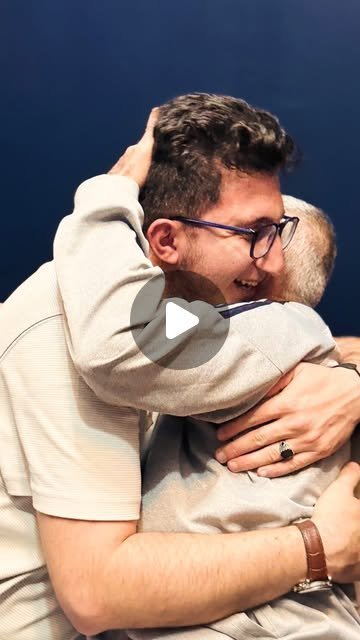
After a difficult transit, the family reached Cairo. On 17 June, Yaser was reunited with his father, mother and brother after more than two years of separation. Ouest-France and then Le Parisien reported on the reunion. The images marked a turning point: for the first time, this was no longer only a story of waiting from afar.
Evacuation is not the end of the journey
Leaving Gaza meant escaping an immediate danger and reopening possibilities. It did not guarantee lasting access to healthcare, stable protection or the reunification of the whole family. Two family members remained in Gaza, while medical and administrative procedures continued from Egypt.
On 6 August 2026, one year after its first report, La Croix returned to the story. The article offered a measure of the ground covered, but also of everything still to be built.
Human Sea Bridge draws a responsibility from this experience. Mobilisation can open routes when it combines rigorous documentation, reliable contacts, cooperation with competent actors and the ability to remain engaged over time. It must also recognise its limits: a non-profit does not decide an evacuation, grant a visa or approve a hospital admission. It can, however, make a need legible, connect the right people and help build the next realistic step.
Documenting without claiming ownership
This press review is not intended to count headlines or celebrate media exposure. It preserves an external record of the pathway, distinguishes its different phases and acknowledges the contributions made along the way.
The first reports focused on Yaser, his host family and a citizen movement. Later coverage documented the expansion of advocacy, the support committee and the creation of Human Sea Bridge. Reports from June and August 2026 then covered the evacuation, the reunion and the continuation of the work.
This chronology also explains why the organisation exists: to build bridges when war, borders or the collapse of essential services interrupts access to care or education.
The Al Rayyes family’s journey continues. Other pathways likewise require documentation, coordination, partners and funding. Human Sea Bridge is now working to make that capacity durable.
Understand the story, then take action
Explore the full press timeline or help Human Sea Bridge build the next achievable steps for patients and students.