

Reopening a care pathway when local options run out
We document the situation, look for available care and organise the next step.
No single actor can resolve a complex medical pathway alone
A medical need alone does not open a pathway. It takes usable information, clear responsibilities and a hospital able to receive the patient.
Human Sea Bridge connects the patient, healthcare professionals, hospitals, humanitarian partners and institutions.
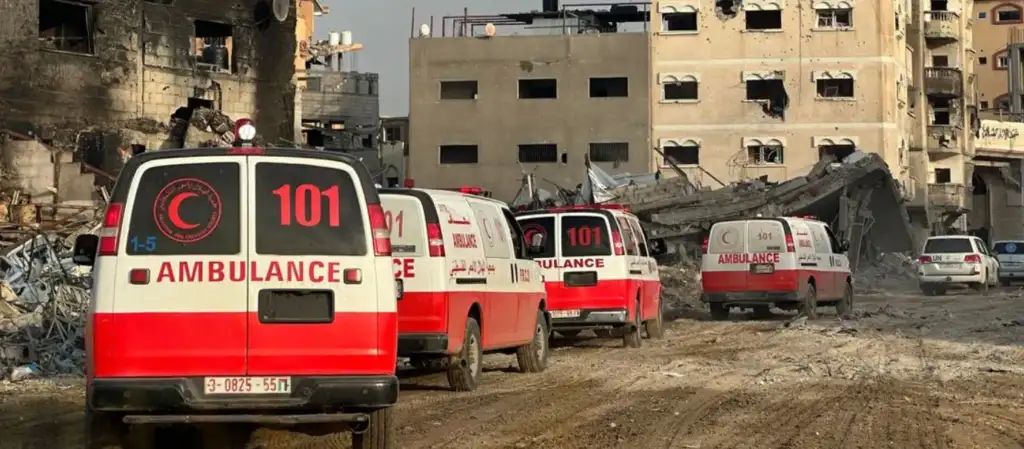
Medical transfer is only one step in the pathway.
An evacuation also depends on assessment, authorisations, crossing, reception and continuity of care.
Four actions make the next step possible
Every situation is different. The method stays the same.
Identify
Verify
Coordinate
Facilitate
Clear criteria, transparent limits
Frequently asked questions about our support
No. We prepare the case file and connect the right contacts. The decision is not ours to make.
The situation must show a genuine breakdown in access to care and a documented medical need. It also requires verifiable information, the person’s consent and a realistic possibility of support.
Write to us via the Contact page. Do not send a complete medical file: we will tell you which documents to share and through which channel.
Report a situation or offer medical capacity
Patient, family, healthcare professional, hospital or organisation: describe the situation or what you can contribute.
Continue to our programmes and method.
Report a situation, understand how we work or explore our other programmes.
Your commitment opens pathways.
Your donations help fund coordination, administrative steps, logistics and access-to-care pathways.
Connecting skills, resources and goodwill.
Volunteers, health professionals, partners and local relays can strengthen our capacity to act. News from the organisation and its priority needs are shared separately, based on specific consent.
