

The Al Rayyes family: from an individual case file to a method of continuity
In 2025, relatives and citizens mobilised around Yaser and his family. In 2026, the organisation took this work forward within a structured framework: documenting needs, verifying documents, finding the right contacts, coordinating transmissions. Working with medical, humanitarian, diplomatic and institutional actors, the case file contributed to the evacuation of 4 June under WHO coordination. And then to the next stage of the journey in Egypt.
2025 — citizen mobilisation · 2026 — structured action as an organisation
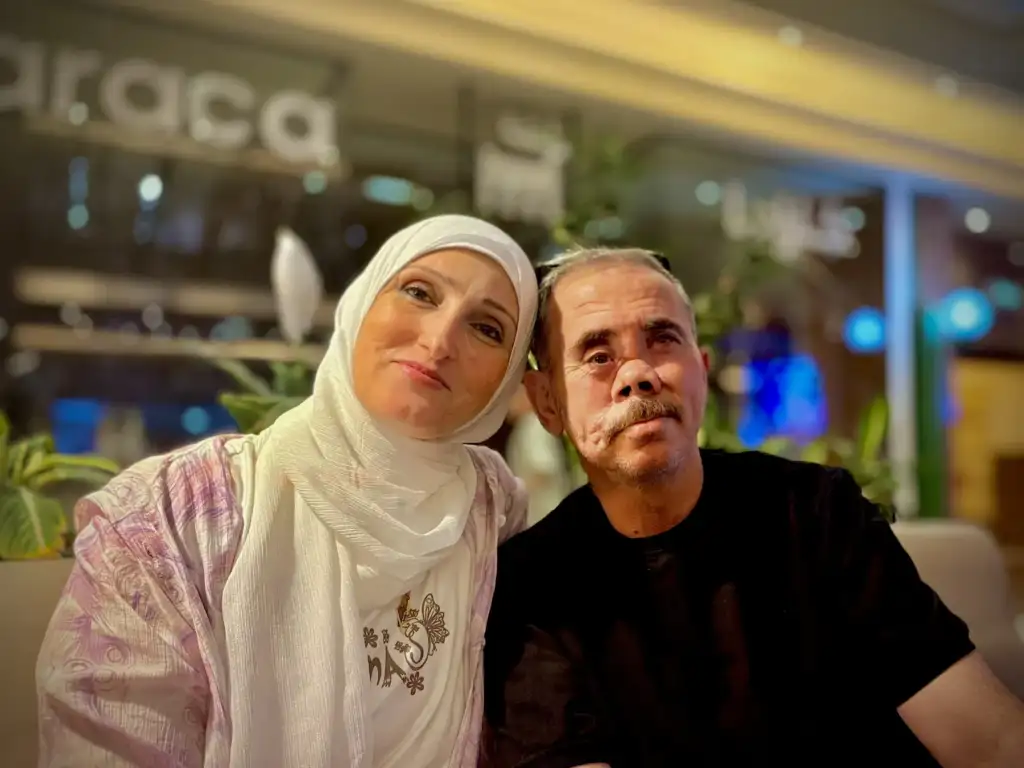
Evacuation under WHO coordination
Family reunion in Cairo
A major human milestone. Not the end of the journey.
Care, housing, administrative procedures, funding, visas: everything still requires sustained coordination.
Human Sea Bridge’s role
We made the case file usable and kept communication going. The decision, the operation and the authorisations rest with the competent actors.
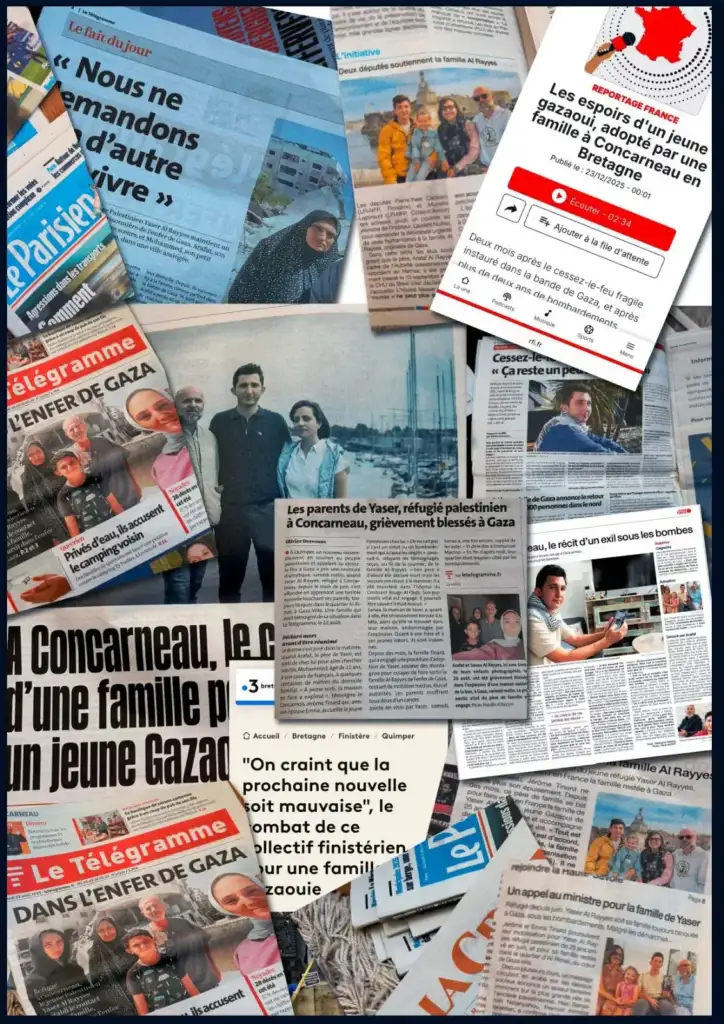
An origin to understand, not an identity to sum up
This case remains public because it explains where Human Sea Bridge comes from. In 2025, before the organisation existed, relatives and citizens raised the alarm, gathered information and looked for an evacuation route. They discovered that an emergency can remain without a way out when medical, humanitarian, diplomatic and administrative capacities exist but are not connected.
Making it public does not mean publishing a medical file or reducing the family to their situation. It means showing how a mobilisation becomes a method: making a situation understandable, passing on verified information, keeping communication going, preparing for what comes next. This journey is foundational. It does not sum up the organisation, which supports other people and also works for access to education.
From mobilisation to reunion
A journey cannot be reduced to a request or to the day of the evacuation. It begins before leaving Gaza and continues after arriving in Egypt.
Documenting and mobilising
No organisation yet. Relatives and citizens raise the alarm, gather information, document needs and look for those who can consider an evacuation. Step by step, the situation becomes a case file that can be passed on.
Structuring and coordinating
Human Sea Bridge formally takes on the case. Medical, administrative and family documents are organised and verified. Ongoing exchanges with the facilities able to assess possible care.
Evacuation under WHO coordination
The family leaves Gaza in an operation coordinated by the World Health Organization.
Family reunion in Cairo
The family is reunited in Cairo. The work continues.
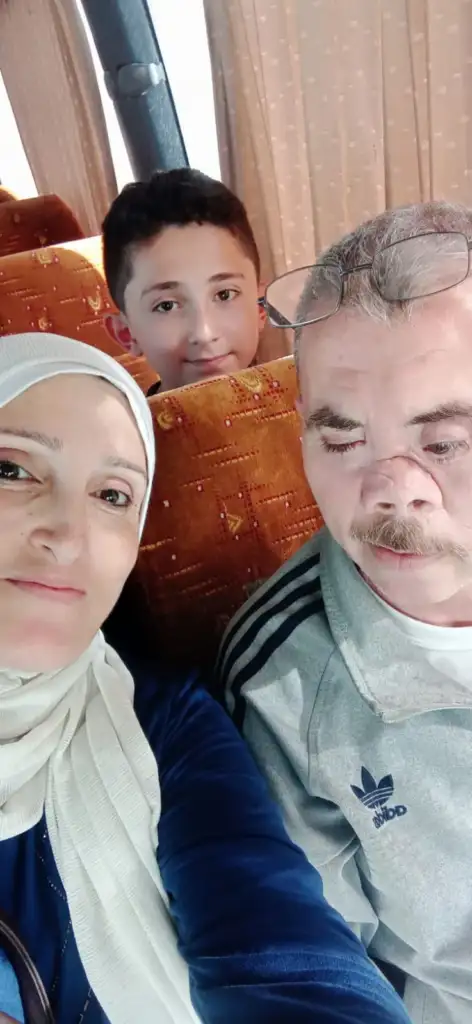
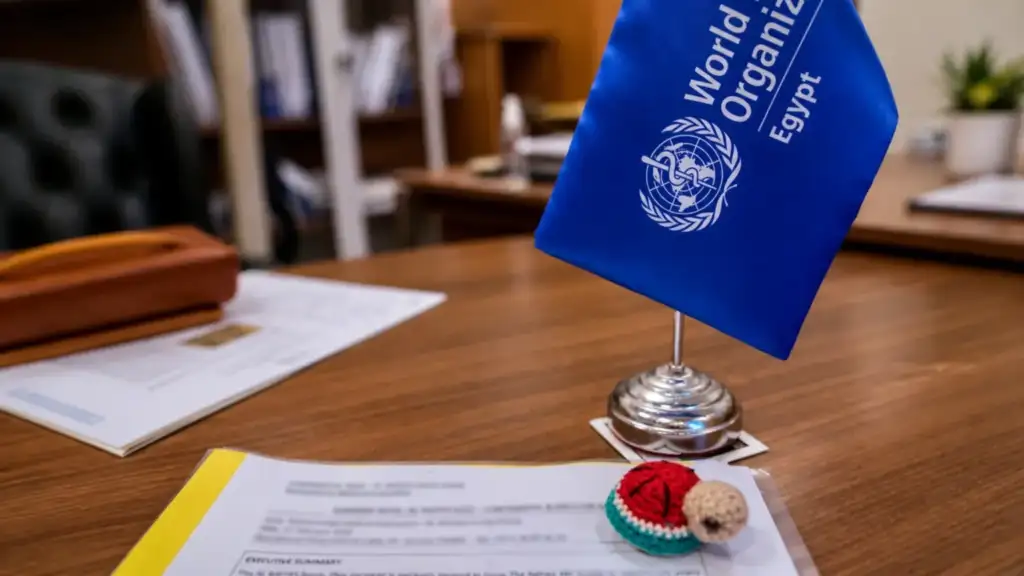
Making a complex situation actionable
In Gaza, care, infrastructure, treatment, movement and administrative procedures have broken down. A useful case file lets everyone quickly understand the situation, the urgency, what is available and what is missing — without exposing sensitive documents.
Gather
Structure
Verify
Prioritise
Share and follow up
Coordinating without claiming the decisions
Each actor works within its own mandate. We connect information and facilitate exchanges.
The family
The family provides the information, clarifies its needs and remains at the centre of the choices that concern it.
Professionals and hospitals
They assess care needs and whether treatment is feasible.
Humanitarian actors and WHO
They act according to their own procedures and capacities. The evacuation of 4 June 2026 was carried out under WHO coordination.
Public and diplomatic interfaces
They examine the authorisations, procedures and conditions within their remit. The organisation can pass on information or follow up, never decide.
Human Sea Bridge
It structures the case file, identifies the relevant contacts, facilitates transmissions and keeps a verifiable record of exchanges.
Evacuation is not the end of the journey
Leaving Gaza responds to the emergency. Living, receiving care and regaining a stable outlook in Egypt then require practical continuity. These dimensions rarely move at the same pace.
- Care Identify facilities, organise appointments, ensure continuity of medical care.
- Housing Find accommodation stable enough to allow rest, treatment and family life.
- Administrative procedures Understand the procedures, prepare documents, follow up on responses.
- Funding Document needs and seek resources for care, housing and travel.
- Visas and status Keep a consistent, transferable case file.
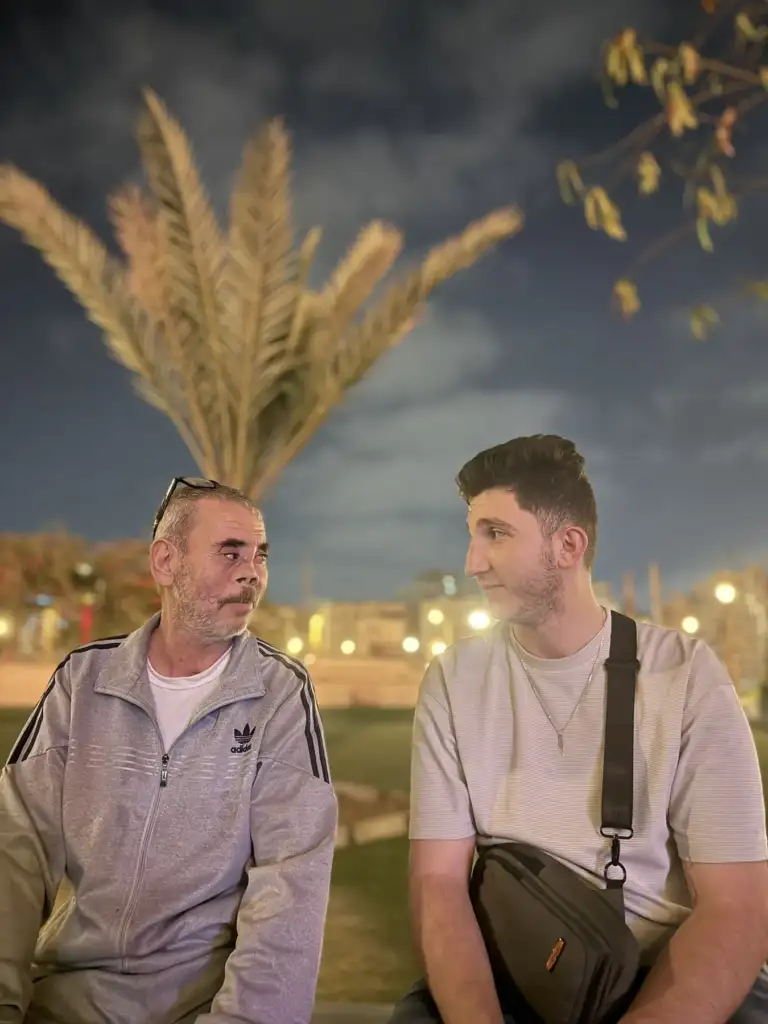
Forty seconds of reunion
The family reunited in Cairo, thirteen days after the evacuation. The human reality behind the case file.
Plays on demand, no autoplay.
Reunion of the Al Rayyes family in Cairo, 17 June 2026. Duration: 40 seconds.
A method born of continuity
Lessons that reach beyond this single case.
Clarity is a condition for action
Information becomes useful when it is structured, verified, dated and adapted to the person receiving it.
What comes after must be prepared before departure
Care, housing and administrative procedures cannot wait until arrival. Dependencies must be identified as early as possible.
Coordination takes time
Following up, passing on, rephrasing, recording responses: continuous follow-up. Evacuation does not remove the next steps.
Responsibilities must remain clear
A case file is credible when it states what the organisation does, what falls to other actors and what remains uncertain.
Responsibilities and safeguards
We document, pass on and follow up. This role is useful precisely because it remains separate from medical, humanitarian, diplomatic and administrative decisions.
What the organisation does
Document needs, check the consistency of the available information, identify the relevant contacts, facilitate exchanges and maintain follow-up of the case file.
What it does not decide
Diagnoses, admissions, treatment, evacuations, authorisations, visas and status are matters for the competent professionals and institutions.
What it does not guarantee
No evacuation, care, admission, visa, status or funding can be promised.
What remains protected
Only useful facts and authorised family archives are published. No medical documents, no contact details, no third-party identities.
Connecting useful information to the right interface
Report a situation, share documented information, support this work: write to us. Each request is reviewed case by case.
